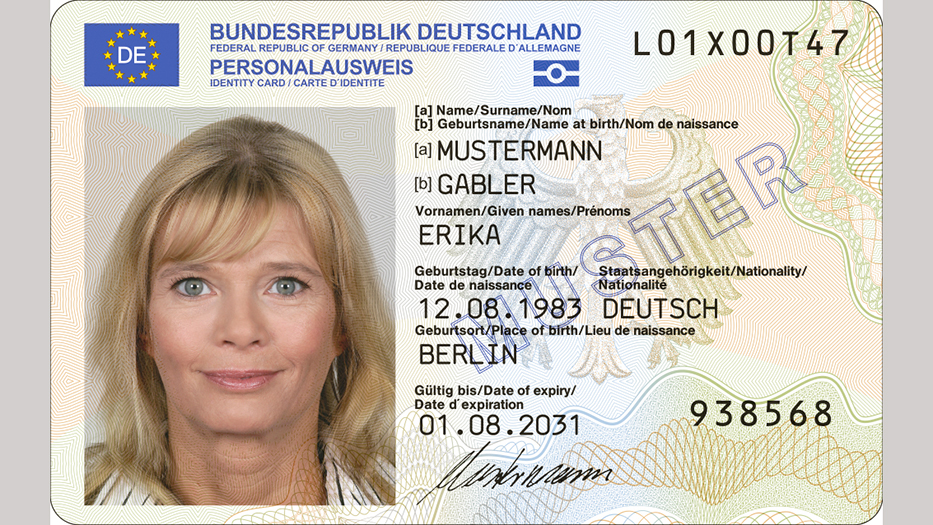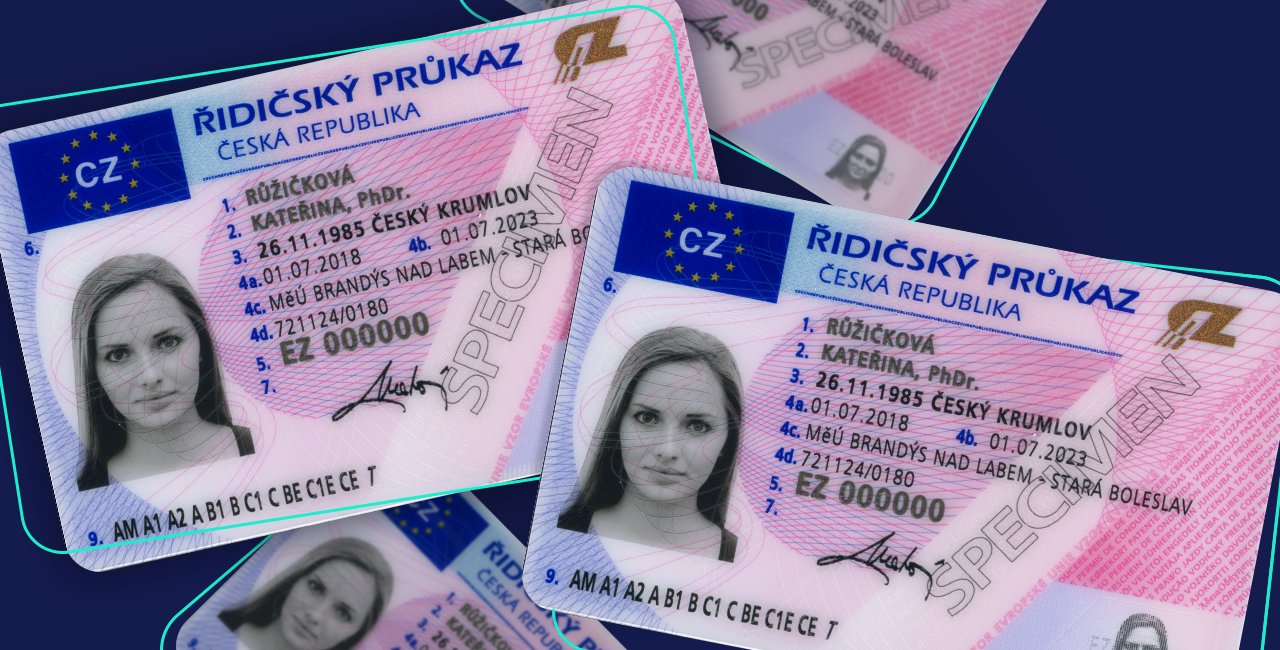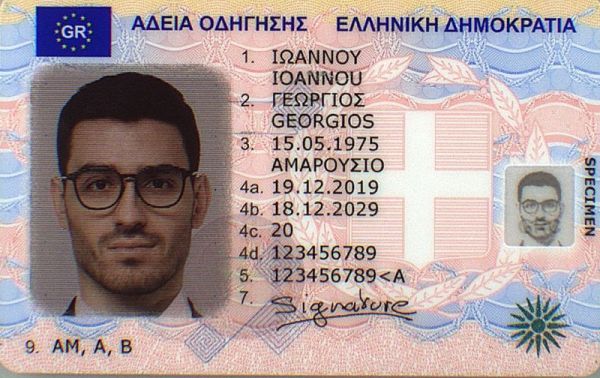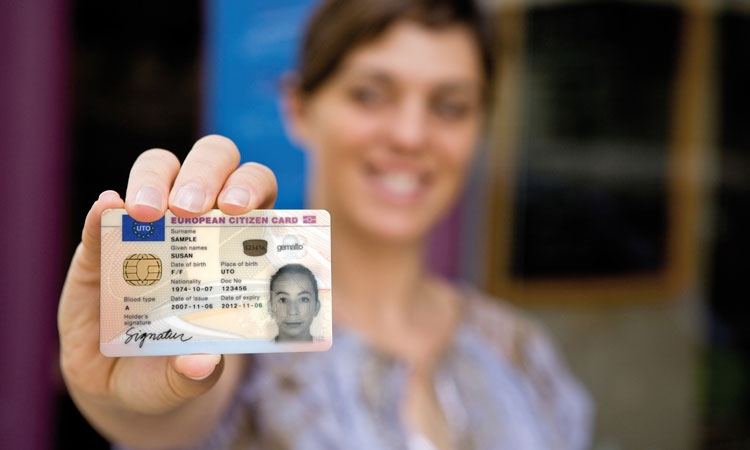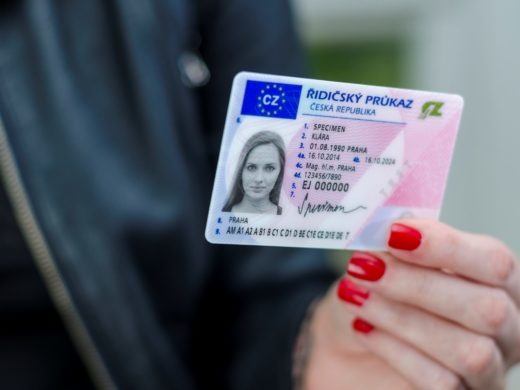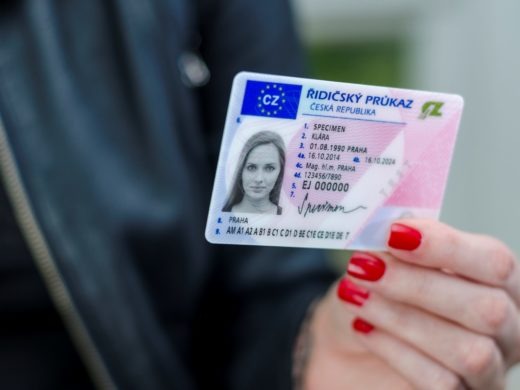

If you’re moving to the EU, you usually can keep driving on your current licence for a limited time but must meet local residency rules to exchange it; rules vary by country, some require exchange within 1 year for non‑EU licences, and all EU licences issued before 19 Jan 2013 must be replaced by 19 Jan 2033.
Quick decision guide (what to check first)
- Are you an EU/EEA licence holder or from outside the EU? This determines whether exchange is voluntary or mandatory.
- When did your licence issue date fall? Licences issued before 19 Jan 2013 are being phased out; replacement deadlines apply.
- Where will you be resident? Each member state applies the Directive through national procedures (documents, fees, medical checks). Check the local authority (e.g., municipality, driving licence office).
How the EU framework works
- Single licence rule: You may hold only one EU driving licence at a time; moving between member states does not automatically force an exchange, but you can voluntarily swap if resident.
- Directive 2006/126/EC sets minimum standards and the 2013‑2013 card modernisation timeline; member states implement national procedures and verification checks.
Typical step‑by‑step exchange process
- Confirm eligibility and deadline with the national authority where you live (municipal office, transport agency). Bring proof of residence.
- Gather documents: original driving licence; valid ID/passport; proof of residence; passport style photo; completed application form; translation or IDP if required by that country.
- Medical check (if required for certain categories like C/D or by national rules).
- Pay fee and submit; some countries verify with the issuing state before issuing a new licence (this can take weeks).
- If exchange is not possible, you may need to take theory/practical tests to obtain a local licence.
Country examples
- Netherlands: Exchange depends on issuing country; registration in the population database and valid ID required. Processing may be conditional on bilateral agreements. Check RDW.
- France: Non‑EU licences are valid for 1 year after establishing normal residence; exchange is mandatory to drive longer. Check Service Public for exact forms.
Practical tips and pitfalls
- Carry an International Driving Permit (IDP) only when needed—within the EU a photocard licence is usually sufficient, but paper licences or some jurisdictions may require an IDP or translation.
- Beware fake IDP websites and scams—use official national motoring bodies or recognised IDP issuers.
- Start early: verification with the issuing country can delay issuance; if your licence expires, renewal rules depend on the issuing state and local law.
Risks, trade‑offs, and final checklist
- Risk: Losing driving rights if you miss a mandatory exchange window (e.g., non‑EU licence after 1 year in some states). Mitigation: confirm deadlines with local authority immediately.
- Trade‑off: Voluntary exchange can simplify insurance and ID checks but may require tests if your licence isn’t recognised.
Checklist to take to the local licence office: original licence; passport/ID; proof of residence; photos; translation/IDP if needed; medical certificate (if applicable); fee.
Related Products