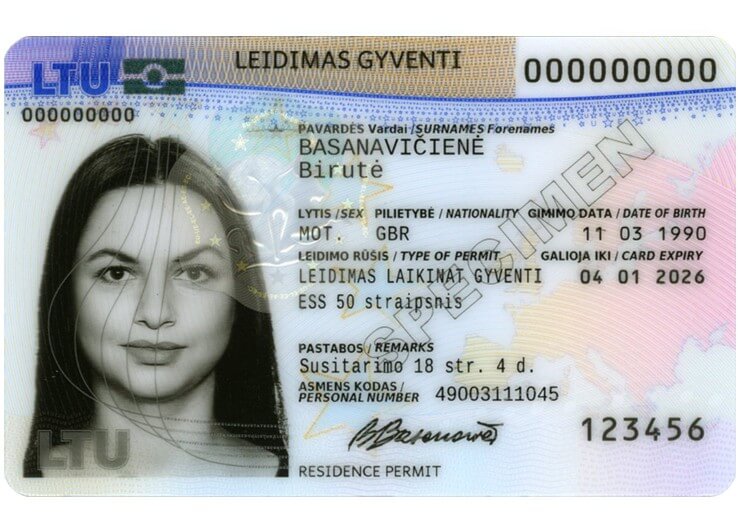


For anyone eyeing a long term future in Europe—whether for career mobility, family stability, or lifestyle—understanding the difference between EU permanent residence and EU citizenship is essential. At first glance, they may seem similar: both offer the right to live in an EU country indefinitely. But beneath the surface, the two statuses diverge in ways that can dramatically shape your rights, freedoms, and long term opportunities.
This guide breaks down the distinctions with clarity and nuance, helping you make an informed decision about your path in Europe.
🇪🇺 What Permanent Residence Actually Means in the EU
Permanent residence is often described as the “finish line” of immigration. In reality, it’s more like a long‑term visa with stability baked in.
Key Features of EU Permanent Residence
- Indefinite stay in the country that granted it
- Access to the labor market, often with fewer restrictions than temporary permits
- Social benefits, including healthcare and education
- Family reunification rights
- Protection from deportation, except in extreme cases
But here’s the nuance many overlook:
Permanent residence is national, not EU‑wide. A permanent resident of Germany cannot automatically move to France or Spain. Some mobility options exist under the EU Long‑Term Residence Directive, but they are conditional and far from automatic.
The Hidden Fragility
Permanent residence can be lost if:
- You leave the country for too long (often 12–24 months)
- You commit certain crimes
- You obtained the status through fraud
It’s secure—but not unbreakable.
🌍 EU Citizenship: A Different Level of Belonging
EU citizenship is not just a legal status; it’s a political and economic identity. It grants rights that permanent residence simply cannot match.
Core Benefits of EU Citizenship
- Full freedom of movement across all EU and EEA countries
- The right to vote in national and European elections
- The right to hold public office in many cases
- Consular protection from any EU embassy worldwide
- Unrestricted access to jobs that require citizenship
- Stronger protection from deportation
Citizenship is also permanent. It cannot be lost for simply living abroad, and revocation is extremely rare.
The EU Passport Advantage
An EU passport is one of the most powerful travel documents in the world. For globally mobile professionals, entrepreneurs, and families, this alone can be transformative.
🔍 The Real World Differences That Matter Most
Here’s where the comparison becomes practical.
1. Mobility
- Permanent residence: Mostly tied to one country
- Citizenship: Live, work, study, or retire anywhere in the EU
If your life or career spans borders, citizenship is the clear winner.
2. Political Rights
Permanent residents have no say in national politics.
Citizens shape the future of their country and the EU.
3. Security of Status
Permanent residence is stable but conditional.
Citizenship is the most secure legal status available.
4. Generational Impact
Citizenship can be passed to children.
Permanent residence cannot.
🧭 Which Path Makes Sense for You?
If your goal is stability in one country, permanent residence may be enough.
If your goal is European mobility, political participation, and long term security, citizenship is the gold standard.
Many people treat permanent residence as a stepping stone an important milestone on the journey to citizenship. But understanding the differences early helps you plan your timeline, investments, and expectations more strategically.
⭐ Final Thought
The EU offers some of the most attractive residency and citizenship frameworks in the world. But the gap between permanent residence and citizenship is wider than most people realize. Knowing the difference isn’t just a legal technicality—it’s a roadmap for shaping your future in Europe with clarity and intention.
Related Products