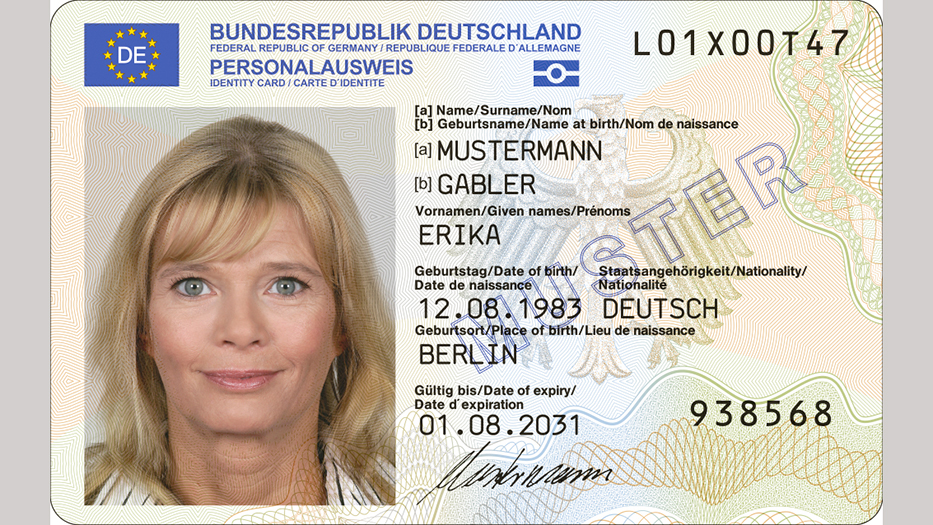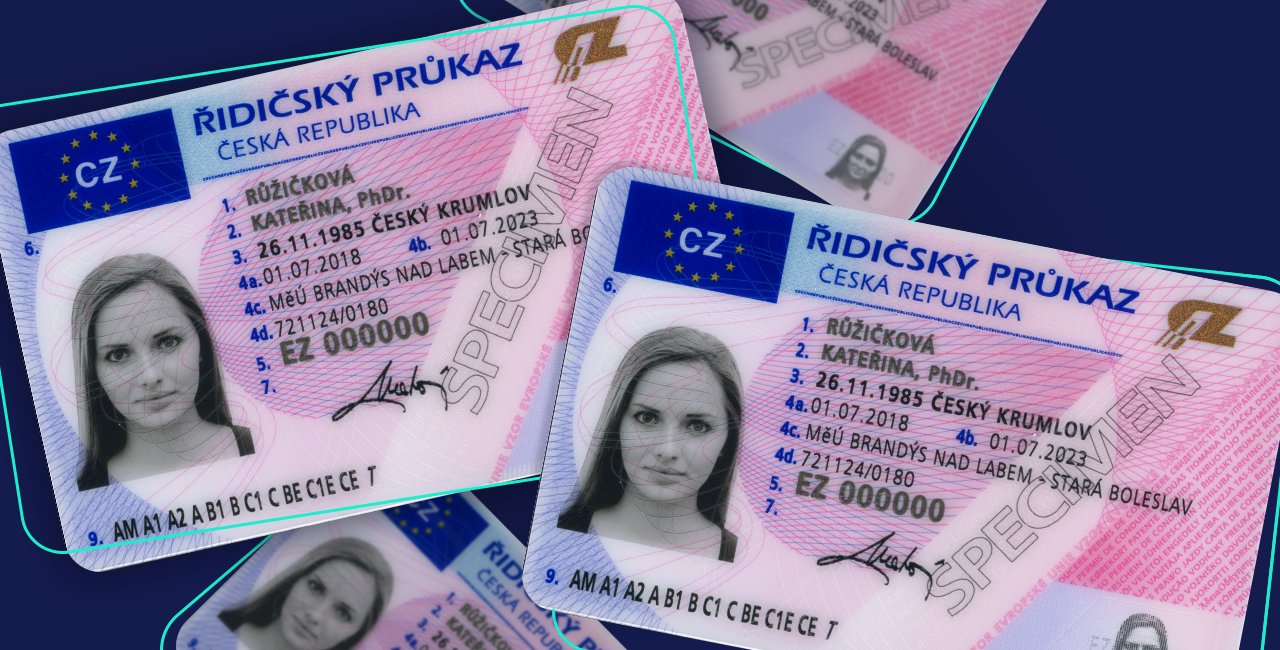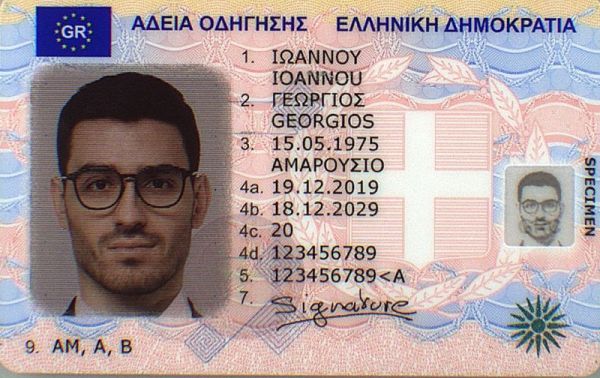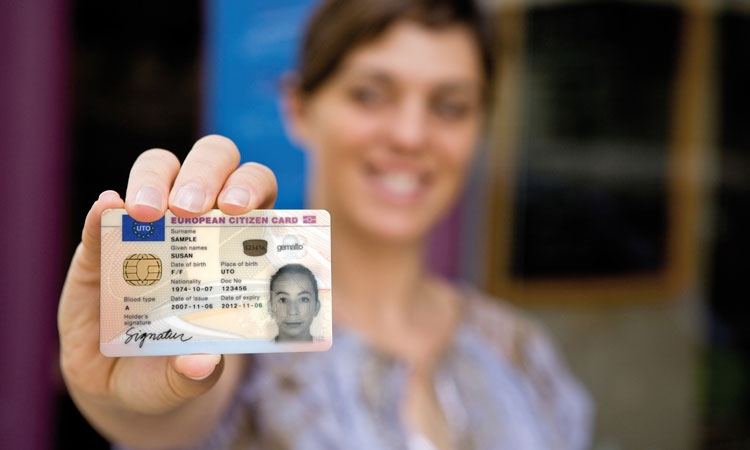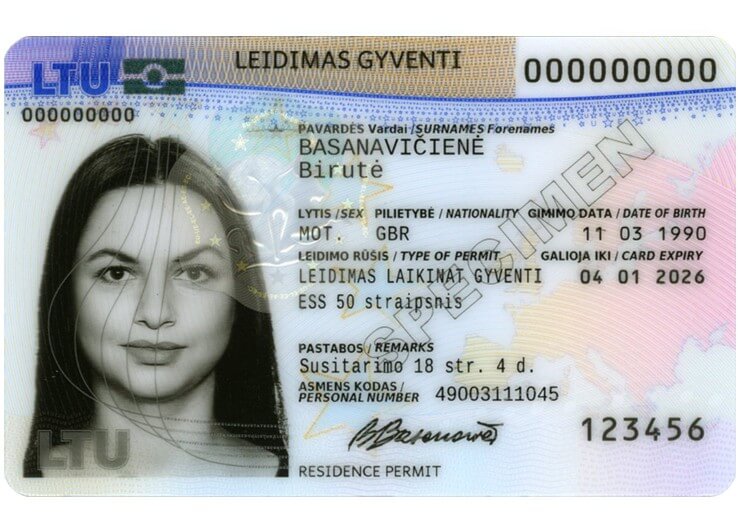

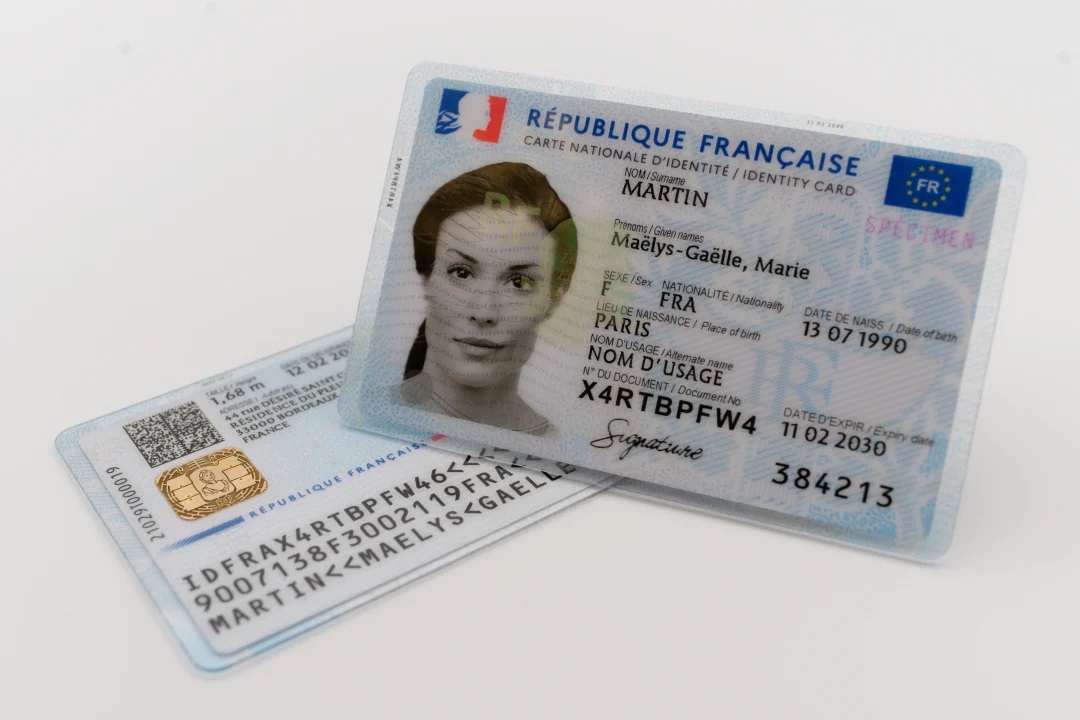
The EU Digital Identity Wallet (EUDI Wallet) is a legally backed mobile wallet created under the EU’s updated eIDAS framework. It lets citizens and businesses present cryptographically verifiable credentials—such as name, age, address, diplomas, and professional licences—to public and private services across EU member states. Each member state must offer at least one certified wallet and accept wallets issued by other states, creating seamless cross‑border recognition.
Core online services accessible with the wallet
- Public administration
Register residency, file taxes, apply for permits, and sign official documents using verified attributes without repeated paperwork. - Banking and finance
Faster KYC onboarding for accounts, loans, and insurance by sharing certified identity attributes instead of scanned documents. - Healthcare and social services
Securely share medical records, prescriptions, and vaccination status with providers across borders while retaining control over what is disclosed. - Education and professional credentials
Present diplomas, transcripts, and professional licences to universities and employers without manual verification delays. - Telecoms and e‑commerce
Sign contracts, verify age for restricted purchases, and complete identity checks for subscriptions with minimal friction.
What sets the wallet apart from traditional ID systems
- Minimal disclosure by design
Services request only the attributes they need, reducing unnecessary data sharing and exposure. - Decentralised trust model
Trust shifts from central databases to verifiable credentials issued by certified authorities, lowering single‑point‑failure risks. - Cross‑border economic impact
Reduced onboarding friction accelerates cross‑border trade, remote hiring, and digital services across the EU. - Stronger anti‑fraud guarantees
Cryptographic proofs make screenshots and forged documents ineffective, improving fraud detection.
Practical implications for non‑EU users and businesses
- Individuals outside the EU will not receive an EU wallet unless they are EU residents, but EU organisations can still verify foreign documents if those documents are issued or attested by trusted EU issuers. Expect faster onboarding when dealing with EU banks, universities, or employers that accept EUDI credentials.
- Businesses outside the EU should prepare by implementing verification APIs, updating privacy policies to reflect minimal attribute requests, and training staff to accept cryptographic credentials rather than paper scans.
Quick adoption checklist
- For businesses: Support open verification standards; update onboarding flows; train staff on credential verification.
- For public services: Design minimal attribute requests; certify issuers; test cross‑border acceptance.
- For individuals: Keep official documents ready with trusted issuers; prefer services that request minimal data.
Final takeaway
The EU Digital Identity Wallet is more than a digital ID app—it’s a privacy‑centric, legally enforceable infrastructure that will streamline identity verification across the EU and for EU facing services worldwide. Organizations that adapt early will reduce costs, speed onboarding, and build stronger trust with EU partners.
Related Products