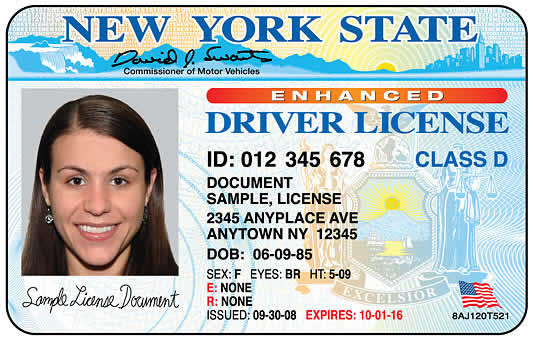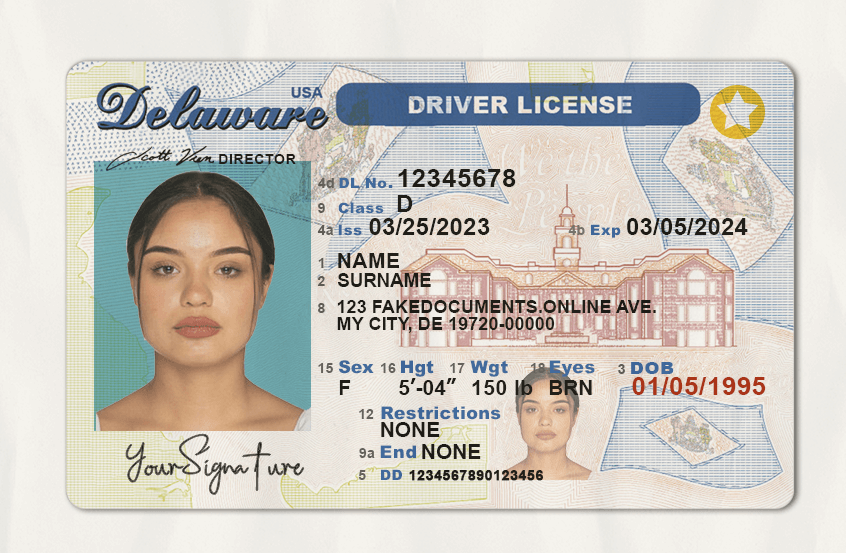


Losing your driver’s license can feel like misplacing the key to modern life. It’s not just about driving it’s your primary form of identification for banking, travel, and even everyday purchases. The good news? Replacing it is usually straightforward, but the process varies by state and requires careful preparation. Here’s a comprehensive, bookmark worthy guide that goes beyond the basics.
Step 1: Confirm Your State’s Requirements
Every U.S. state has its own Department of Motor Vehicles (DMV) or equivalent agency. While the general process is similar, the documents and fees differ. Most states require:
- Proof of identity (passport, birth certificate, or another government issued ID).
- Proof of residency (utility bill, lease agreement, or bank statement).
- Social Security verification (card or tax document).
Some states now offer digital driver’s licenses through official apps, which can serve as a temporary solution while waiting for your physical card.
Step 2: Choose Your Replacement Method
You typically have three options:
| Method | Best For | Key Considerations |
|---|---|---|
| Online | Fastest option if your state offers it | Requires secure login and eligibility (not all states allow online replacement if your license was stolen). |
| In-Person | Necessary if identity verification is complex | Expect longer wait times; appointments are often required. |
| Convenient for out of state residents | Usually slower; must include notarized documents in some states. |
Step 3: Protect Yourself Against Fraud
A lost license isn’t just an inconvenience it’s a potential identity theft risk. If your license was stolen, consider:
- Filing a police report to document the theft.
- Monitoring your credit for unusual activity.
- Requesting fraud alerts with major credit bureaus.
Some DMVs even flag stolen licenses to prevent unauthorized duplicates.
Step 4: Expect Fees and Processing Times
Replacement fees range from $10 to $35, depending on the state. Processing times vary:
- Online requests: often 5–10 business days.
- In person requests: same day issuance in many states.
- Mail requests: 2–4 weeks.
Pro tip: If you’re traveling soon, ask about temporary paper licenses or expedited services.
Step 5: Prevent Future Hassles
Replacing a license once is manageable doing it twice is frustrating. To avoid repeat issues:
- Store a photocopy or digital scan of your license securely.
- Use a wallet tracker to reduce the risk of misplacement.
- Consider enrolling in your state’s digital ID program if available.
Final Thoughts
Replacing a lost driver’s license is more than a bureaucratic task it’s about safeguarding your identity and ensuring uninterrupted access to daily life. By preparing documents in advance, choosing the right replacement method, and protecting against fraud, you’ll save time and stress.
Related Products