

The Real ID Act, passed in 2005, is finally reshaping how Americans travel. As of May 7, 2025, the Transportation Security Administration (TSA) began fully enforcing Real ID standards at airport checkpoints. By February 1, 2026, new rules and even fee based alternatives have added fresh urgency for travelers to understand what compliance really means.
What Is the Real ID Act?
- A federal law designed to improve the security and reliability of state issued identification.
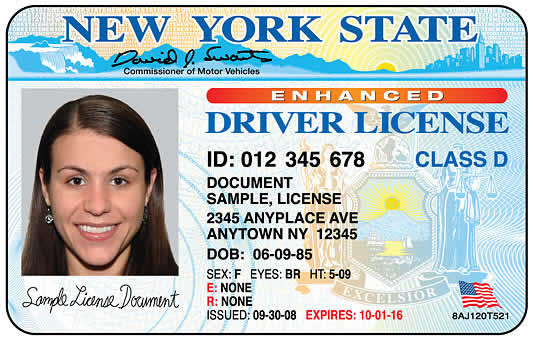
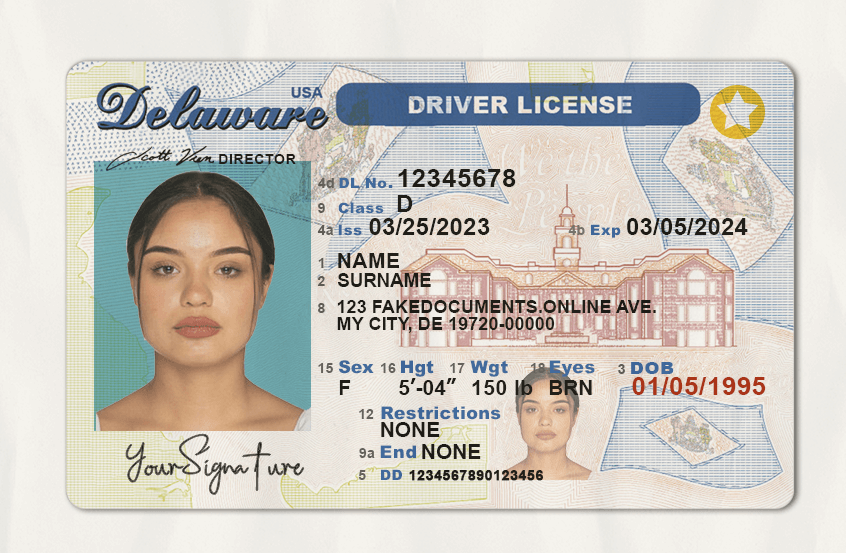
- Real ID compliant licenses feature a gold or black star in the upper right corner.
- Without a compliant ID, you cannot board domestic flights or enter certain federal facilities.
Key Changes for Travelers
- Domestic Flights: Since May 2025, TSA requires Real ID compliant identification at security checkpoints.
- New TSA ConfirmID Option: Starting February 2026, travelers without Real ID can pay a $45 fee to verify identity through TSA’s ConfirmID system, valid for 10 days. This is a stopgap, not a replacement.
- Federal Facilities: Access to military bases, nuclear plants, and secure federal buildings also requires Real ID.
Why It Matters Beyond the Obvious
Most articles stop at “you need a Real ID to fly.” But here’s the deeper impact:
- Travel Planning: Families, students, and business travelers must factor in DMV wait times and documentation requirements. A last minute trip could be derailed without proper ID.
- Equity Concerns: Some groups immigrants, elderly citizens, and rural residents face greater challenges in obtaining compliant IDs due to documentation hurdles or limited DMV access.
- Cost of Non Compliance: The $45 Confirm ID fee introduces a financial penalty for procrastination. Over multiple trips, this adds up, making Real ID compliance the more economical choice.
- Global Context: While Real ID is U.S. specific, it reflects a broader trend toward stricter identity verification worldwide, aligning with international aviation security standards.
How to Prepare
- Check Your License: Look for the star symbol. If it’s missing, your license is not Real ID compliant.
- Gather Documents Early: Proof of identity (passport or birth certificate), Social Security number, and two proofs of residency are typically required.
- Plan Ahead: DMV appointments can be backlogged. Apply months before your next trip.
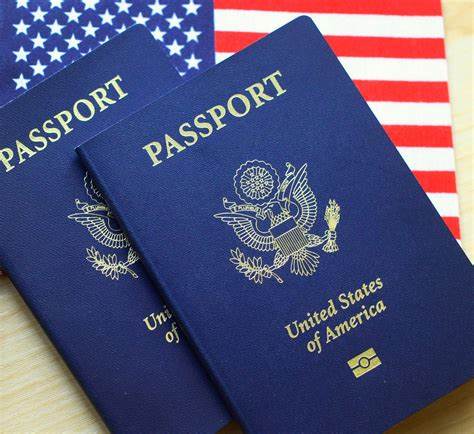
- Know Alternatives: A valid U.S. passport or military ID also meets Real ID requirements.
Bottom Line
The Real ID Act isn’t just bureaucratic red tape it’s a travel essential. Whether you’re flying domestically, visiting federal facilities, or simply avoiding last minute fees, compliance ensures smoother journeys. Think of it as upgrading your travel toolkit: one small star on your license, but a big step toward hassle free mobility.
Related Products