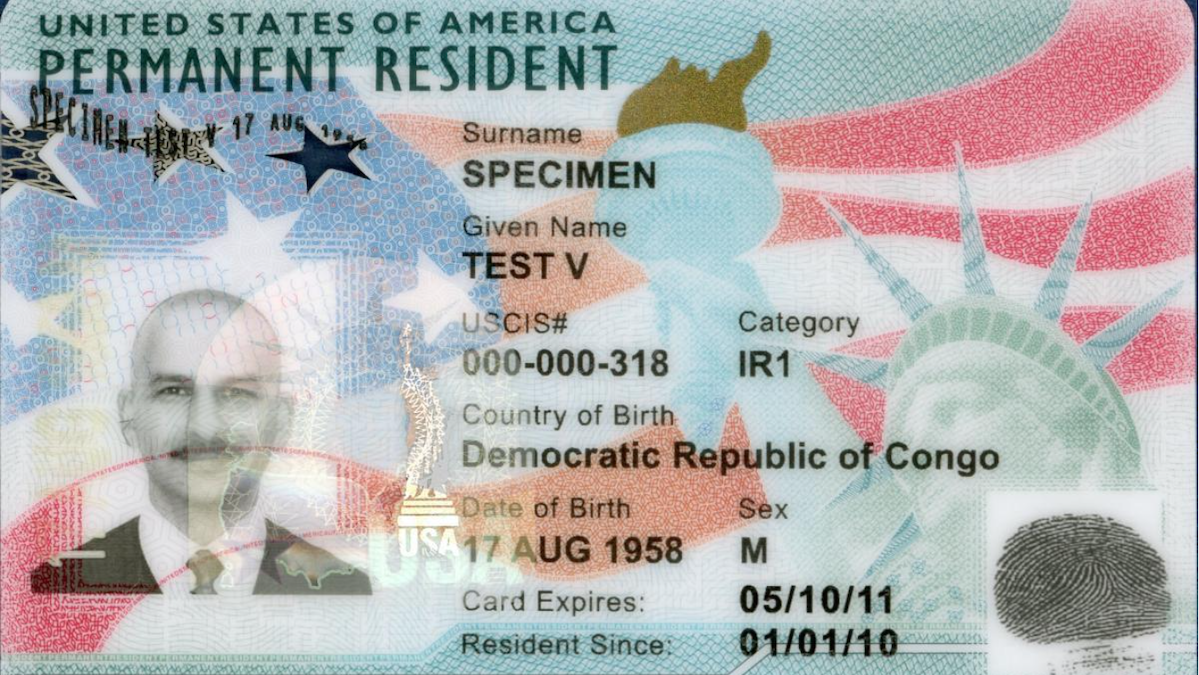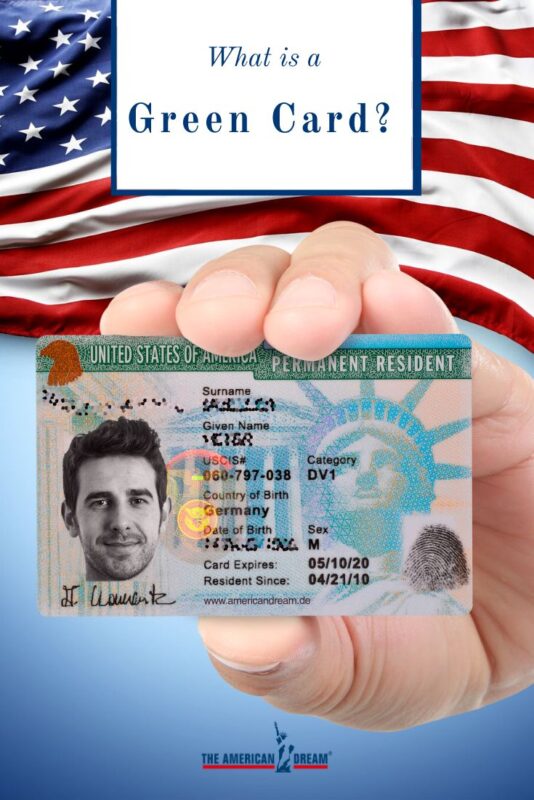

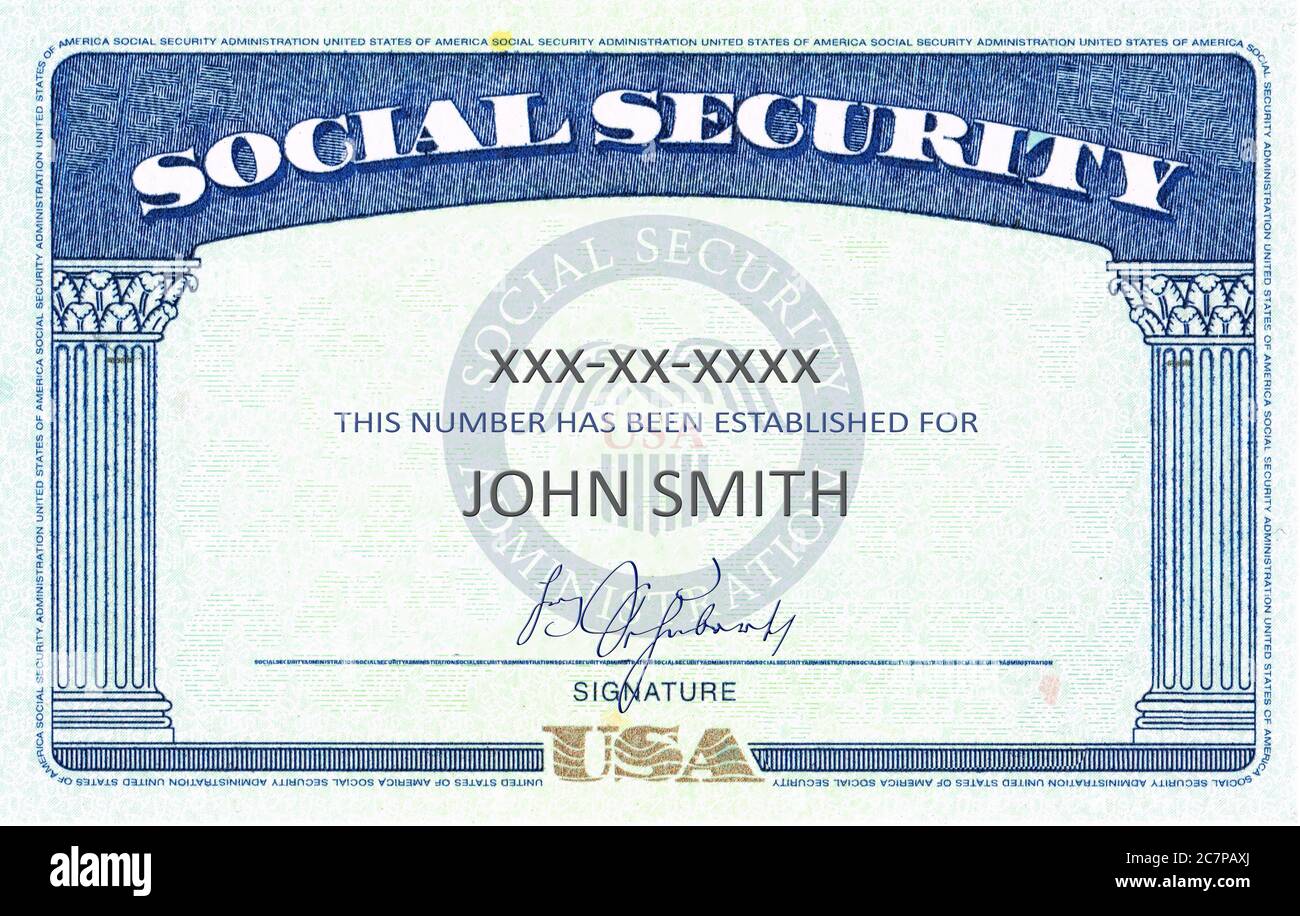
Digital identity in the U.S. is shifting from plastic cards to secure, government backed digital wallets, with biometrics, decentralized credentials, and passwordless authentication leading the way. By 2030, most Americans may rely on mobile IDs and verifiable credentials for everything from airport security to healthcare access.
The Future of U.S. IDs: Key Digital Identity Trends
1. Government-Issued Digital Wallets
- Mobile driver’s licenses (mDLs) are already live in states like Arizona and Maryland, and adoption is expected to accelerate nationwide.
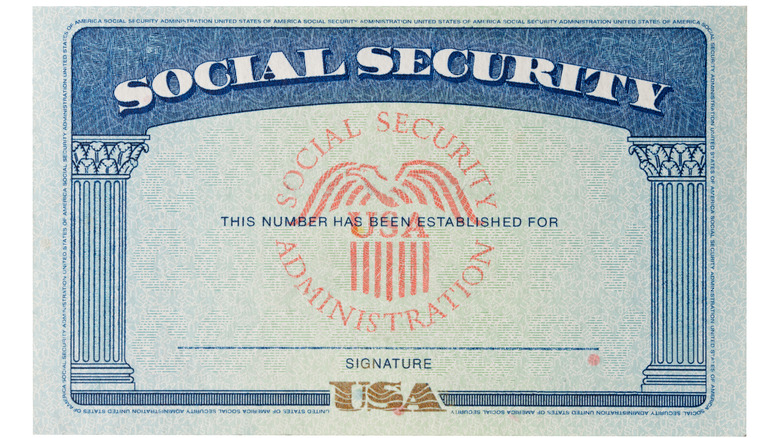
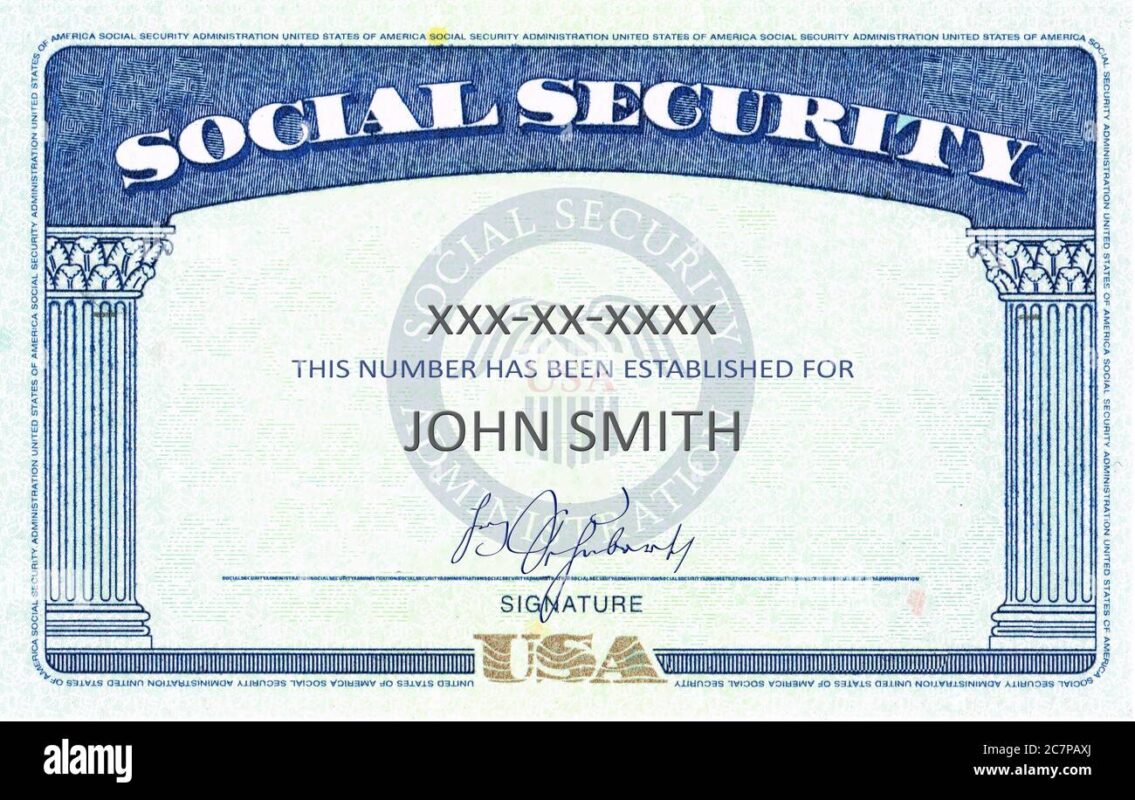
- These wallets will integrate driver’s licenses, Social Security numbers, and health insurance cards into one secure app.
- The federal government is exploring interoperability standards so IDs work across states and agencies.
2. Rise of Decentralized Identity (DID)
- DID systems allow individuals to control their own identity data without relying on centralized databases.
- Verifiable credentials (VCs) can be shared selectively—for example, proving you’re over 21 without exposing your full birthdate.
- This approach reduces risks of mass data breaches and aligns with global privacy regulations.
3. Biometrics and Passwordless Authentication
- Facial recognition, fingerprints, and voice authentication are becoming standard for digital ID verification.
- The U.S. is entering the “age of digital trust”, where passwords are replaced by passkeys and biometric checks.
- This trend strengthens both consumer convenience and enterprise security.
4. AI Driven Identity Security
- AI agents are being deployed to detect fraudulent activity and synthetic identities in real time.
- Machine to machine trust protocols will ensure that autonomous systems (like self driving cars or IoT devices) can verify identities securely.
5. Everyday Use Cases Expanding
- Travel: TSA is piloting mobile IDs for airport security.
- Healthcare: Patients may soon use digital IDs to access medical records across providers.
- Finance: Banks are integrating digital wallets for faster, fraud-resistant onboarding.
Comparison: Physical vs. Digital IDs
| Feature | Physical ID (Driver’s License, Passport) | Digital ID (Wallets, DIDs) |
|---|---|---|
| Security | Vulnerable to theft, forgery | Encrypted, biometric protected |
| Convenience | Must carry card | Accessible via smartphone |
| Data Control | Full exposure of personal info | Selective disclosure via verifiable credentials |
| Scalability | Limited to government offices | Cloud-based, interoperable |
| Future Readiness | Static | Adaptive to AI, IoT, and cross-border use |
Risks and Challenges
- Privacy concerns: Centralized digital ID systems could enable surveillance if not properly regulated.
- Digital divide: Not all Americans have smartphones or reliable internet access.
- Cybersecurity threats: Hackers may target digital wallets, requiring zero trust frameworks and continuous monitoring.
Final Takeaway
The U.S. is moving toward a hybrid identity ecosystem where physical IDs remain but digital wallets dominate everyday transactions. For citizens, this means greater convenience and security, but also a need to stay informed about privacy rights and digital literacy. Bookmark this trend: within the next decade, your phone—not your wallet—will be the primary gateway to proving who you are.
Related Products