

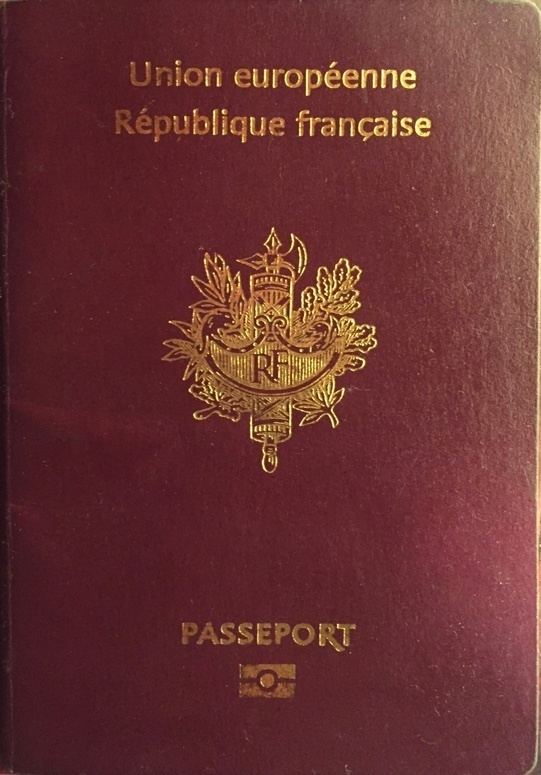
A French passport is more than a travel document it represents full citizenship in one of the European Union’s most influential nations. With visa free access to over 180 countries, the right to live and work across the EU, and access to robust social protections, it is one of the world’s most powerful passports.
This guide explains the French passport application process, pathways to French citizenship, and the legal, strategic, and practical dimensions of eligibility.
✅ French Citizens: How to Apply for a Passport
If you are already a French citizen, applying for a passport is a straightforward administrative procedure.
Step-by-Step Application
- Book an Appointment
Applications must be made in person at your local town hall (mairie). - Provide Required Documents
- Valid ID or expired passport
- Proof of French citizenship (birth certificate, national ID, or naturalisation certificate)
- Biometric passport photo
- Proof of residence (utility bill, rental agreement)
- Pay the Fee
- Adults: €86
- Children: €17
- Processing Time
- Standard: 2–4 weeks
- Expedited service available for emergencies
📌 Tip: France issues biometric passports valid for 10 years (adults) and 5 years (children). Always check expiration dates before international travel.
🌍 Non Citizens: Pathways to French Citizenship
France does not issue passports to non-citizens. However, non citizens can become eligible through legal pathways to French nationality.
🧭 Routes to Citizenship
- By Birth in France (Jus Soli)
Children born in France to foreign parents may acquire citizenship automatically at age 18 if they have lived in France for at least 5 years. - By Descent (Jus Sanguinis)
If one parent is French, the child typically acquires citizenship even if born abroad. - By Naturalisation
Foreigners can apply after 5 years of legal residence (or 2 years if they completed higher education in France). Requirements include:- B1-level French language proficiency
- Integration into French society
- No serious criminal record
- Financial independence
- By Marriage
Spouses of French citizens may apply after 4 years of marriage, with proof of cohabitation and integration.
🔍 Insight: France allows dual citizenship, meaning naturalized individuals can retain their original nationality a key advantage for global professionals and expats.
📄 Passport Application After Citizenship
Once citizenship is granted, the individual can apply for a passport like any other French national.
📌 Tip: Newly naturalized citizens must wait for their Décret de Naturalisation or official registration before applying for a passport.
🧠 Advanced Insights: What Most Guides Miss
- Reintegration into Citizenship: Former citizens who lost nationality due to marriage or parental decisions may reclaim it through declaration.
- Stateless Individuals: France offers limited pathways to citizenship for stateless persons born on its territory, though the process is complex.
- EU Mobility: A French passport grants unrestricted access to live, work, and study in any EU country an often overlooked benefit for entrepreneurs and students.
- Language Exams & Interviews: Naturalisation applicants must pass a language test and attend an interview to assess integration. Preparation is essential.
📌 Conclusion: More Than a Travel Document
Obtaining a French passport is not just about international travel it represents legal recognition, civic inclusion, and access to one of the world’s most socially supportive states. Whether you are a citizen by birth or navigating the path to naturalisation, understanding the full scope of eligibility and process is essential.
- French passport application
- French citizenship by naturalisation
- French passport requirements
- Dual citizenship France
- EU mobility rights
- French nationality interview
Related Content


