

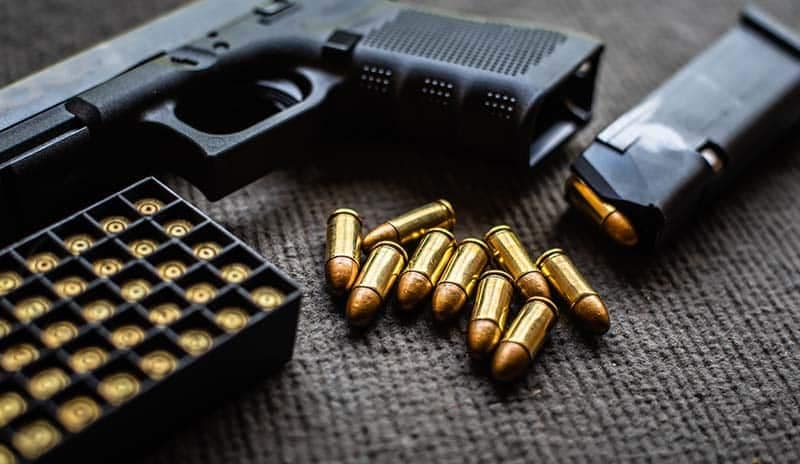
When people think about home defense, the conversation often centers on which firearm is “best.” But the truth is, the choice isn’t just about the gun itself it’s about how caliber, recoil, and noise interact with your environment, your household, and your ability to respond under stress. Let’s break down these three factors with a lens toward practicality, safety, and informed decision-making.
🔹 Caliber: More Than Just Stopping Power
- Definition: Caliber refers to the diameter of the bullet, typically measured in millimeters or fractions of an inch.
- Common Misconception: Bigger caliber = better defense. In reality, larger calibers may increase penetration risks (bullets traveling through walls), which can endanger family members or neighbors.
- Balanced Approach:
- 9mm is often favored for home defense due to manageable recoil, wide availability, and sufficient stopping power.
- .45 ACP offers heavier impact but comes with more recoil and slower follow up shots.
- .22 LR, while low recoil, is generally considered insufficient for reliable defense.
👉 The key is choosing a caliber that balances effectiveness with control, especially under high-stress conditions.
🔹 Recoil: Control Under Pressure
- Definition: Recoil is the backward force felt when firing a gun.
- Impact on Defense: High recoil can slow down follow up shots, reduce accuracy, and increase fatigue critical disadvantages in a defensive scenario.
- Factors Influencing Recoil:
- Firearm weight (heavier guns absorb more recoil).
- Ammunition type (hot loads vs. lighter loads).
- Shooter’s stance and training.
👉 A firearm you can consistently control is more valuable than one that looks intimidating but leaves you struggling to stay on target.
🔹 Noise Levels: The Overlooked Factor
- Reality Check: Gunfire indoors is deafening. Even a small caliber handgun can exceed 140 decibels enough to cause permanent hearing damage.
- Consequences in Home Defense:
- Disorientation: Loud blasts can impair your ability to think clearly.
- Communication breakdown: Family members may not hear instructions or warnings.
- Legal considerations: Discharging a firearm indoors can complicate post incident investigations if neighbors report “shots fired.”
👉 Suppressors (where legal) or choosing firearms with lower decibel output can mitigate risks, but training to handle the shock of noise is equally important.
🔹 Strategic Takeaways
- Holistic Choice: Don’t pick a firearm solely on caliber. Consider how recoil and noise will affect your ability to respond effectively.
- Training Matters: Familiarity with your firearm under realistic conditions (indoor ranges, stress drills) is more important than raw firepower.
- Safety First: Always weigh the risks of over-penetration and hearing damage alongside stopping power.
Final Thought
Understanding caliber, recoil, and noise isn’t just technical it’s about aligning your choice with your environment, your household’s safety, and your ability to act under pressure. A well informed decision here could mean the difference between control and chaos in a critical moment.
Related Products


