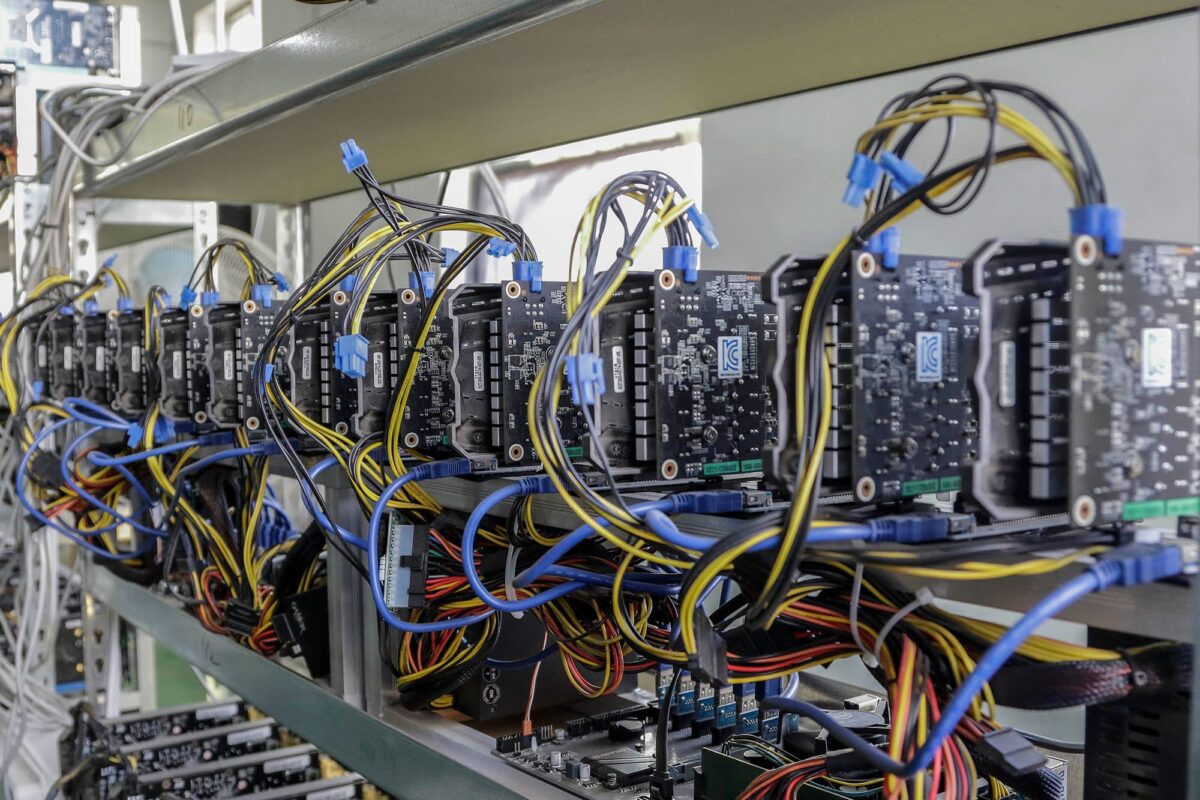


Solo Bitcoin mining in 2025 is increasingly dominated by large scale operations with industrial hardware and cheap electricity. For most individual miners, Bitcoin mining pools provide a more practical path to consistent passive income. By combining computational power, pools increase the chances of earning rewards and distribute them fairly among participants.
How Bitcoin Mining Pools Work
- Shared Hash Rate: Pools combine the hash rate of thousands of miners to solve cryptographic puzzles faster.
- Block Rewards: When a block is mined, the reward (currently 3.125 BTC per block) is divided among participants based on their contribution.
- Reduced Volatility: Unlike solo mining, where payouts may take months, pools provide more regular earnings.
Benefits of Mining Pools
- Consistent Income: Regular payouts reduce the uncertainty of solo mining.
- Lower Risk: Shared effort means smaller miners can still participate meaningfully.
- Accessibility: Pools democratize Bitcoin mining, allowing individuals with modest setups to earn rewards.
Key Factors in Choosing a Mining Pool
1. Hash Rate Distribution
- Pools with a larger share of global hash rate find blocks more frequently.
- However, excessive centralization threatens Bitcoin’s decentralization.
- Ethical miners often prefer pools that maintain a balanced share.
2. Fee Structures
- Standard fees range between 1% and 2%.
- Some pools use tiered models based on loyalty or performance.
- Watch out for hidden fees like withdrawal charges or minimum payout thresholds.
3. Payout Methods
- Pay Per Share (PPS): Fixed rewards per share, offering stability but higher fees.
- Proportional: Rewards based on actual block discovery, more variable but potentially higher.
- Pay Per Last N Shares (PPLNS): Rewards tied to recent shares, rewarding consistent participation.
For passive income seekers, PPS offers predictability. Active miners may prefer PPLNS for higher potential returns.
4. Trust and Transparency
- Reputable pools publish real-time performance data.
- Transparent governance, customer support, and community engagement are strong trust signals.
- Avoid pools with opaque ownership, inconsistent payouts, or poor documentation.
Security Considerations
- Mining Software Risks: Download only from verified sources to avoid malware.
- Wallet Safety: Use secure wallets and enable two factor authentication.
- Cold Storage: Always store earnings in a personal cold wallet rather than pool integrated wallets.
Emerging Trends in 2025
- Stratum V2 Protocols: Allow miners to choose transactions, reducing centralization.
- Merged Mining: Earn rewards from auxiliary coins alongside Bitcoin.
- Green Mining Pools: Pools powered by renewable energy are gaining popularity among ethical miners.
Conclusion
Bitcoin mining pools in 2025 offer a reliable way for individuals to earn passive income while supporting the broader network. By carefully evaluating hash rate distribution, fee structures, payout methods, and trust factors, miners can maximize profitability and security.
In a volatile industry, informed pool selection and strong security practices are the keys to sustainable success.
Related Products